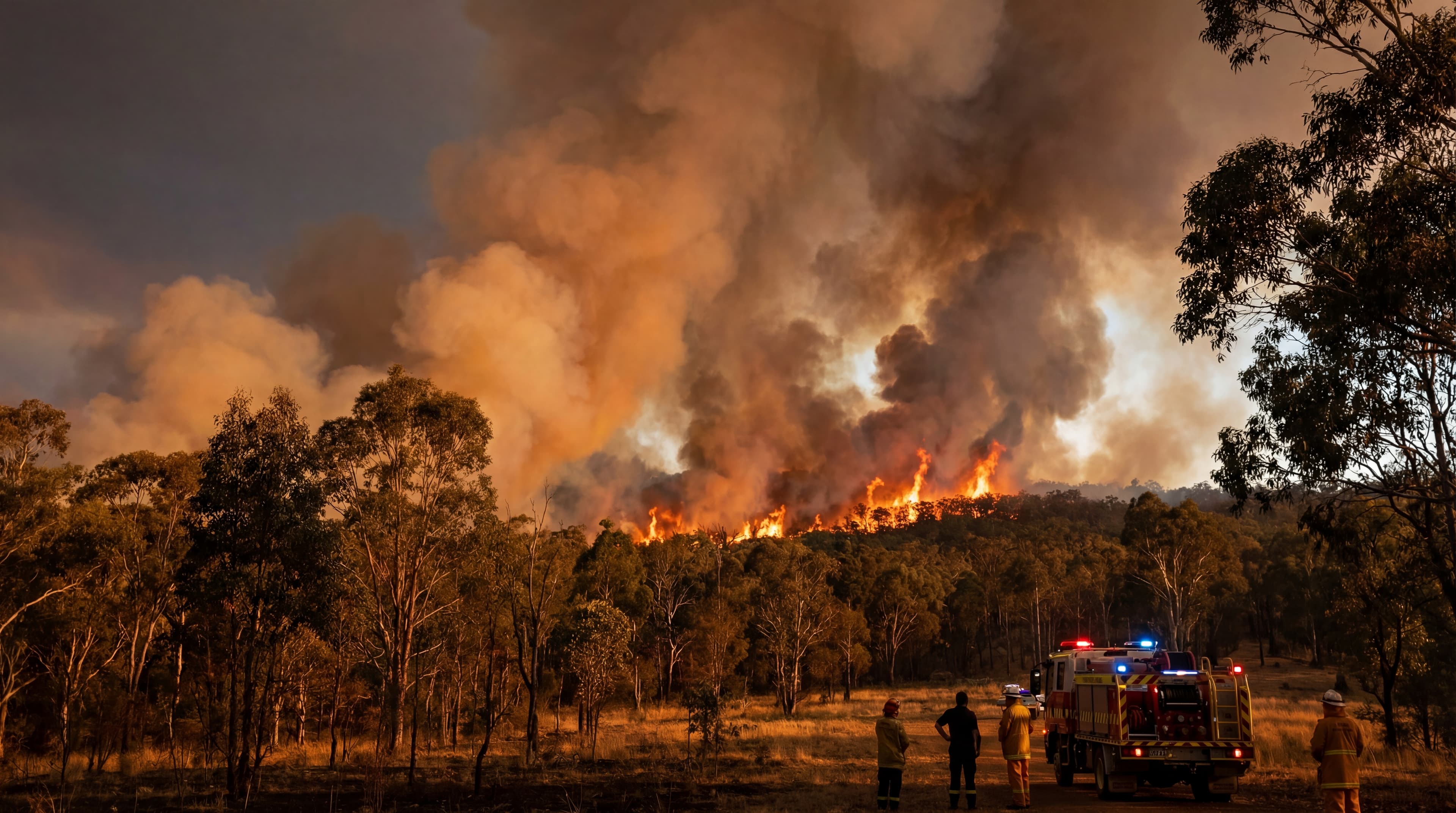
Victoria's bushfire history has shaped one of the most comprehensive bushfire planning frameworks in Australia. For property professionals, understanding Bushfire Prone Areas (BPA) and their implications is essential for advising clients and managing transactions effectively.
Victoria's Bushfire Context
The 2009 Black Saturday bushfires fundamentally changed Victoria's approach to bushfire risk. With 173 lives lost and over 2,000 homes destroyed, the tragedy led to a Royal Commission that recommended sweeping changes to building and planning controls.
Today, approximately 70% of Victoria is designated as Bushfire Prone Area, affecting hundreds of thousands of properties.
What is a Bushfire Prone Area?
A Bushfire Prone Area is land designated by the Country Fire Authority (CFA) as being subject to or likely to be subject to bushfire. The designation is based on:
- Vegetation type and density
- Topography
- Historical fire behaviour
- Fuel load assessments
The BPA map is reviewed periodically and can change as vegetation grows or is cleared.
BPA Classifications
Victoria's BPA mapping uses a tiered system:
BPA (General)
The broadest designation, indicating land that may be subject to bushfire. All building work requires consideration of bushfire risk.
BPA1
The highest risk category within BPA, indicating areas with significant bushfire hazard requiring the strictest controls.
BPA2
Areas within BPA that have lower risk than BPA1 but still require enhanced building standards.
Bushfire Management Overlay (BMO)
In addition to BPA designation, some areas are subject to the Bushfire Management Overlay in the planning scheme. The BMO indicates land where bushfire hazard warrants additional planning controls beyond building requirements.
Properties in the BMO typically require:
- Planning permits for most buildings and works
- A Bushfire Management Statement
- Defendable space around buildings
- Water supply and access requirements
BAL Ratings Explained
The Bushfire Attack Level (BAL) is a measure of the severity of a building's potential exposure to ember attack, radiant heat, and direct flame contact. It determines construction requirements under AS 3959.
BAL-LOW
Insufficient risk to warrant specific construction requirements. Standard construction applies.
BAL-12.5
Low risk. Requirements include ember screens on vents and gaps, non-combustible gutters, and enhanced window specifications.
BAL-19
Moderate risk. Additional requirements for roof systems, external walls, and floors.
BAL-29
High risk. Significant restrictions on materials for walls, roofs, windows, and doors.
BAL-40
Very high risk. Extensive protection measures required for all building elements.
BAL-FZ (Flame Zone)
Extreme risk with direct exposure to flames. Most stringent requirements; some building uses may not be permitted.
Determining BAL
A BAL assessment considers:
- Vegetation class - Forest, woodland, shrub, scrub, mallee/mulga, rainforest, grassland
- Slope - Uphill or downhill from the site
- Distance - From vegetation to the building
- Fire Danger Index - Regional fire weather conditions
BAL assessments must be conducted by qualified practitioners for building permits.
Implications for Property Transactions
For Sellers
Vendors should:
- Disclose BPA/BMO status in the Section 32
- Provide any existing BAL assessments
- Highlight any bushfire-compliant features
- Be prepared for buyer due diligence
For Buyers
Buyers should:
- Check BPA/BMO status before making offers
- Obtain insurance quotes (premiums vary significantly)
- Understand building implications for planned works
- Factor additional construction costs into feasibility
- Consider ongoing maintenance (defendable space)
For Real Estate Agents
Agents should:
- Inform buyers about bushfire status during inspections
- Explain the implications of BPA/BMO
- Suggest professional advice for high-risk properties
- Manage expectations about insurance costs
For Valuers
Valuers should:
- Note BPA/BMO status in valuation reports
- Consider impact on comparable sales
- Reference construction cost premiums
- Highlight insurance implications
Building Cost Implications
Building in bushfire areas typically costs more:
| BAL Rating | Approximate Premium |
|---|---|
| BAL-12.5 | 1-3% |
| BAL-19 | 3-7% |
| BAL-29 | 7-15% |
| BAL-40 | 15-30% |
| BAL-FZ | 25-50%+ |
These are indicative only and vary based on building design and materials.
Insurance Considerations
Bushfire insurance has become increasingly challenging:
- Premiums in high-risk areas have increased dramatically
- Some insurers have withdrawn from bushfire-prone areas
- Policy exclusions may apply
- Total replacement cover may require BAL-compliant rebuild
Always recommend clients obtain insurance quotes before purchase.
Vegetation Management
Property owners in bushfire areas should maintain defendable space:
- Clear vegetation close to buildings
- Remove dead material and debris
- Maintain trees to reduce canopy connectivity
- Manage grass height
CFA provides guidelines for vegetation management, and planning exemptions exist for bushfire protection works.
Using Enviro-D for Bushfire Assessment
Enviro-D provides instant analysis of:
- BPA designation and classification
- BMO coverage
- Vegetation classifications
- Indicative risk levels
This information helps property professionals quickly assess bushfire exposure and advise clients accordingly.
Looking Ahead
Climate change is expected to increase bushfire risk:
- Longer fire seasons
- More frequent extreme fire weather
- Expanded BPA areas
- Stricter building requirements
Properties marginally outside current BPA may be included in future mapping. The long-term outlook for bushfire risk should factor into property decisions.
Summary
Bushfire Prone Areas affect a significant portion of Victorian properties. Understanding the BPA/BMO framework, BAL ratings, and their implications is essential for property professionals advising clients on purchases, sales, and development in bushfire-affected areas.
Thorough due diligence, including environmental risk assessment tools like Enviro-D, helps ensure clients make informed decisions about bushfire-prone properties.