Environmental due diligence has become an essential component of property transactions in Australia. Whether you're a buyer, seller, developer, or property professional, understanding environmental risks can mean the difference between a successful investment and a costly mistake.
What is Environmental Due Diligence?
Environmental due diligence is the process of identifying and assessing environmental risks associated with a property before a transaction or development. It involves investigating factors that could affect the property's value, usability, or future development potential.
In Australia, this typically covers four key areas:
- Flood Risk - Vulnerability to flooding from rivers, creeks, or overland flow
- Bushfire Risk - Exposure to bushfire attack in fire-prone areas
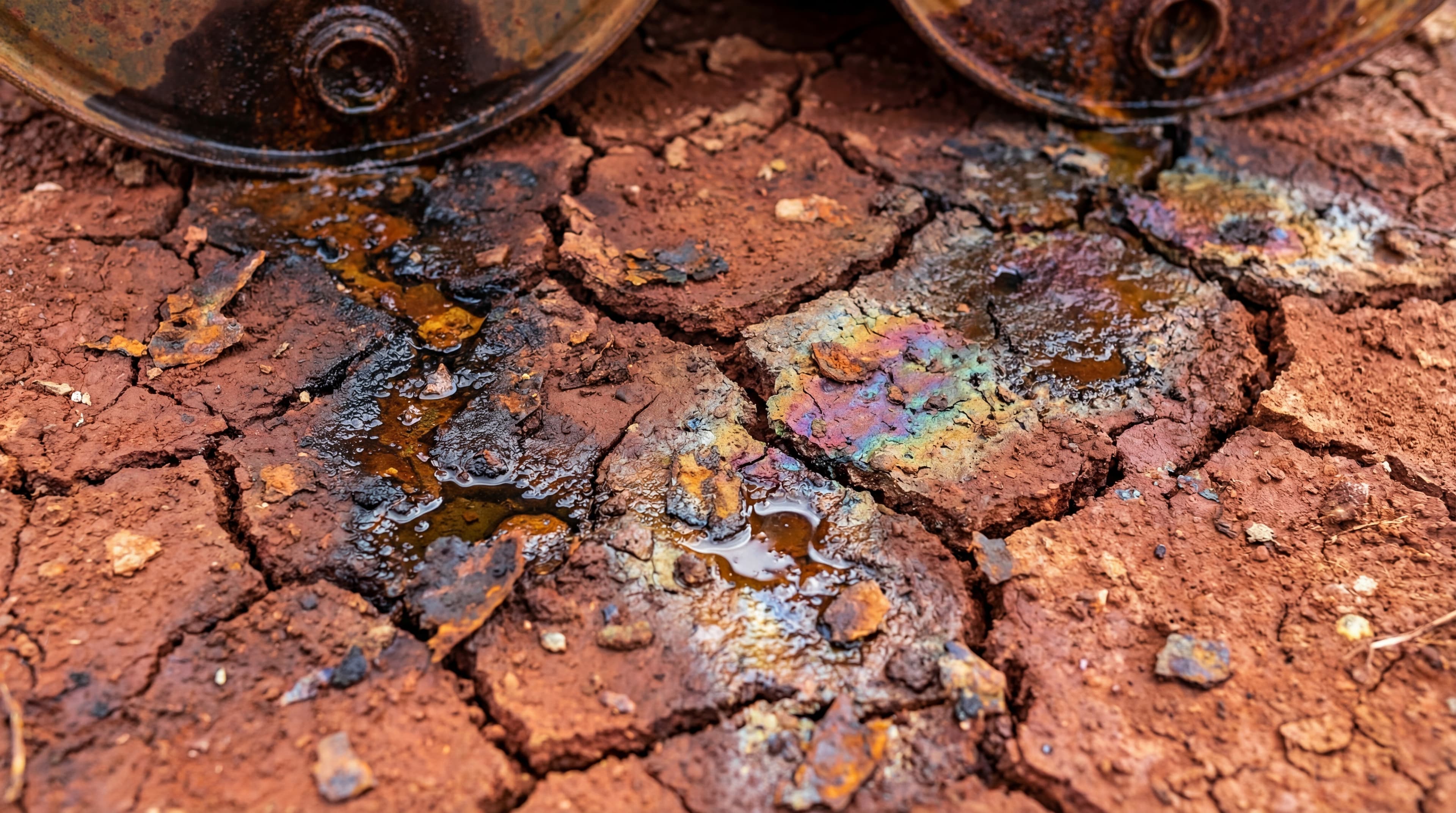
- Contamination - Soil or groundwater contamination from past land uses
- Heritage Constraints - Heritage listings that restrict alterations or demolition
Why Does It Matter?
Financial Impact
Environmental issues can significantly affect property values. A property in a flood zone may sell for 10-20% less than comparable properties. Contaminated land can require remediation costs ranging from tens of thousands to millions of dollars. Heritage listings can limit development potential and add compliance costs.
Legal Obligations
In Australia, vendors have disclosure obligations. Failing to disclose known environmental issues can lead to legal action. Conversely, buyers who fail to conduct due diligence may have limited recourse after settlement.
Insurance Implications
Properties with environmental risks often face higher insurance premiums or may struggle to obtain coverage at all. In bushfire-prone areas, insurance costs have increased dramatically in recent years.
Development Constraints
Environmental overlays in planning schemes can restrict what can be built on a property. Understanding these constraints before purchase is essential for developers and investors.
The Australian Regulatory Framework
Each state and territory has its own environmental and planning legislation. In Victoria, key frameworks include:
Planning Schemes
Local planning schemes identify environmental overlays that affect properties:
- Land Subject to Inundation Overlay (LSIO)
- Floodway Overlay (FO)
- Bushfire Management Overlay (BMO)
- Environmental Audit Overlay (EAO)
- Heritage Overlay (HO)
Environment Protection
The Environment Protection Authority (EPA) maintains registers of contaminated sites and has powers to require investigation and cleanup of contaminated land.
Heritage Protection
Heritage Victoria administers the Victorian Heritage Register for places of State significance, while local councils protect places of local significance through Heritage Overlays.
Conducting Environmental Due Diligence
Desktop Assessment
The first step is typically a desktop assessment, which includes:
- Reviewing planning certificates
- Searching EPA registers
- Checking heritage databases
- Reviewing historical aerial photographs
- Examining geological and hydrological data
This can be done manually by searching multiple government databases, or more efficiently using tools like Enviro-D that aggregate this information.
Site Inspection
A physical site inspection can reveal:
- Evidence of past contaminating uses
- Proximity to waterways or flood-prone areas
- Vegetation that may indicate bushfire risk
- Heritage features not captured in databases
Specialist Reports
For higher-risk properties, specialist reports may be warranted:
- Phase 1 Environmental Site Assessment (contamination)
- Flood study or survey
- BAL (Bushfire Attack Level) assessment
- Heritage impact assessment
Key Risk Indicators
Flood Risk Indicators
- Property located in a floodplain
- Near rivers, creeks, or drainage lines
- In low-lying areas
- History of flooding in the area
- Flood overlays on planning certificate
Bushfire Risk Indicators
- Located in a Bushfire Prone Area
- Subject to Bushfire Management Overlay
- Dense vegetation on or near the property
- Sloping land (fire travels faster uphill)
- Limited access for emergency vehicles
Contamination Indicators
- Previous industrial or commercial use
- Former service station or fuel storage
- Dry cleaning or manufacturing history
- EPA Priority Sites nearby
- Environmental Audit Overlay applies
Heritage Indicators
- Listed on Victorian Heritage Register
- Subject to Heritage Overlay
- Located in a heritage precinct
- Contains buildings over 50 years old
- Archaeological sensitivity (near waterways, early settlement areas)
The Role of Technology
Traditional environmental due diligence required searching multiple government databases, interpreting complex planning documents, and engaging various specialists. This process was time-consuming, expensive, and often incomplete.
Modern platforms like Enviro-D streamline this process by:
- Aggregating data from authoritative government sources
- Providing instant analysis of environmental risks
- Generating professional reports suitable for transactions
- Enabling property professionals to serve clients more efficiently
Best Practices for Property Professionals
For Real Estate Agents
- Include environmental information in property assessments
- Advise vendors of disclosure obligations
- Provide buyers with access to environmental reports
- Flag properties in high-risk areas
For Valuers
- Reference environmental risks in valuation methodology
- Adjust comparable sales for environmental factors
- Recommend further investigation where warranted
- Document environmental considerations in reports
For Developers
- Conduct environmental due diligence before acquisition
- Budget for investigation and remediation costs
- Factor planning constraints into feasibility
- Engage specialists early in the process
For Conveyancers
- Ensure planning certificates are reviewed
- Flag environmental overlays to clients
- Recommend specialist reports where appropriate
- Document environmental matters in special conditions
Conclusion
Environmental due diligence is no longer optional in Australian property transactions. With increasing climate-related risks, stricter environmental regulations, and greater awareness among buyers, property professionals who embrace thorough environmental assessment will be better positioned to serve their clients and avoid costly surprises.
The key is to integrate environmental considerations into your standard practice, using the best available data and technology to make informed decisions.