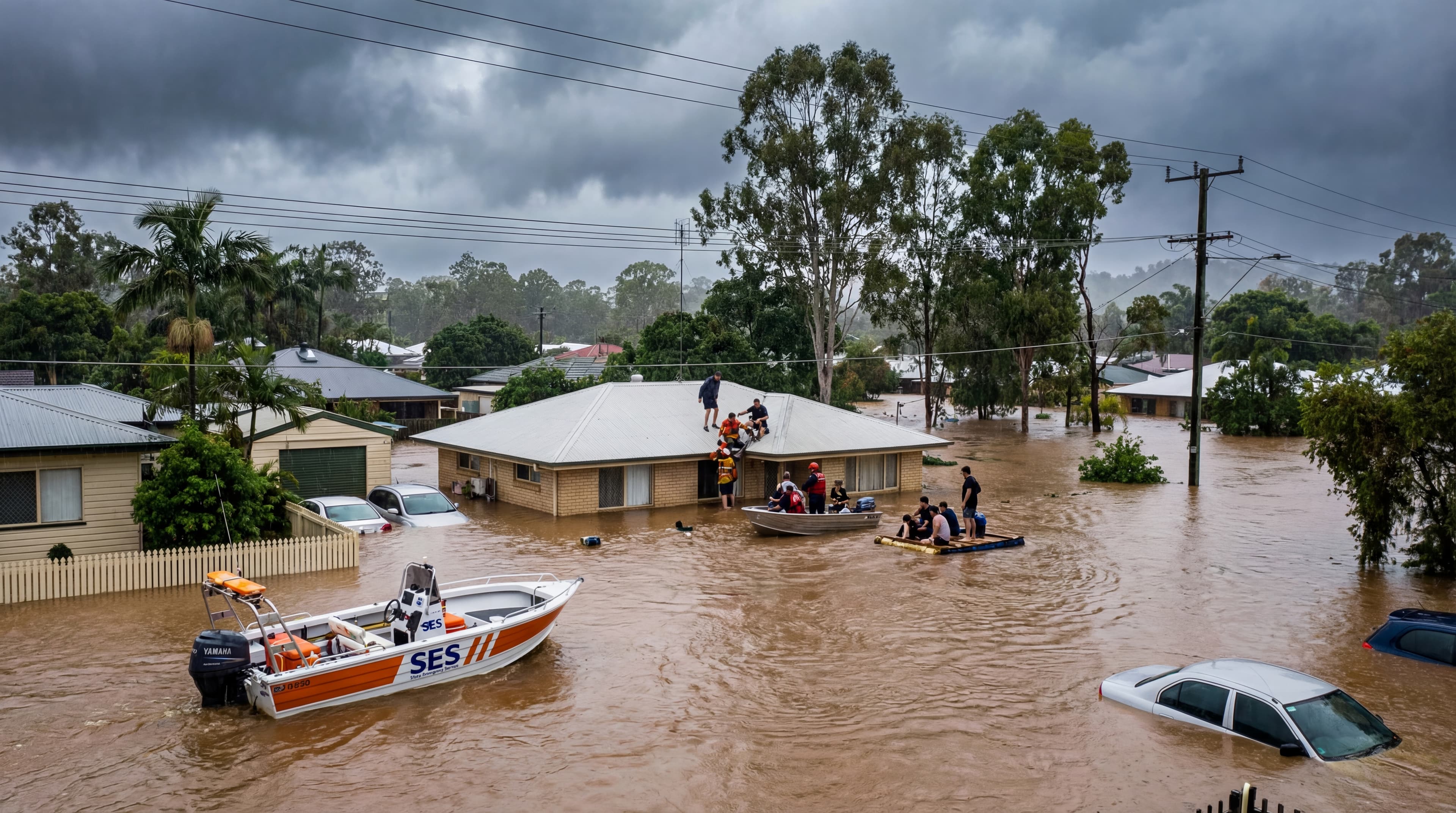
Flooding is one of the most significant natural hazards affecting Australian properties. With climate change intensifying rainfall events and more Australians living in flood-prone areas, understanding flood risk has never been more important for property buyers.
The Scale of Flood Risk in Australia
Australia experiences some of the most variable rainfall in the world. From the catastrophic floods that devastated parts of Queensland, New South Wales, and Victoria in recent years, to the regular inundation of low-lying areas in urban centres, flooding affects thousands of properties annually.
According to the Insurance Council of Australia, flood is the most costly natural peril in the country, with billions of dollars in claims following major flood events.
Understanding Flood Terminology
Before assessing flood risk, it's important to understand the terminology:
1-in-100 Year Flood (1% AEP)
This refers to a flood that has a 1% chance of occurring in any given year. It doesn't mean it happens once every 100 years - it could happen multiple times in a decade or not at all for 200 years. This is the standard used for most planning controls.
Floodway
The main channel or flow path during a flood event. Floodways carry the bulk of floodwaters and experience the highest velocities and depths. Development in floodways is severely restricted.
Flood Fringe
Areas outside the floodway that are still affected by flooding but with lower depths and velocities. Development may be permitted with conditions.
Overland Flow
Flooding that occurs when stormwater exceeds the capacity of drainage systems and flows overland. This is particularly relevant in urban areas.
How to Identify Flood Risk
Check the Planning Certificate
A Section 32 (Vendor's Statement) or equivalent should disclose relevant planning overlays. Look for:
- Land Subject to Inundation Overlay (LSIO)
- Floodway Overlay (FO)
- Special Building Overlay (SBO)
These overlays indicate the property is in a known flood-affected area.
Research Historical Flooding
Ask about the flood history of the area:
- Has the property flooded before?
- How often does the street or neighbourhood flood?
- What were the impacts of recent major flood events?
Local councils often maintain flood information, and long-term residents can provide valuable insights.
Inspect the Property
Physical inspection can reveal flood risk indicators:
- Is the property in a low-lying area?
- Are there drainage lines, creeks, or rivers nearby?
- Are neighbouring properties elevated?
- Are there flood marks on buildings?
- Does the floor level seem unusually high?
Use Technology
Modern tools like Enviro-D provide instant analysis of flood overlays and hydrological data, giving buyers quick access to authoritative flood information.
Implications of Flood Risk
Property Value
Flood-affected properties typically sell at a discount compared to similar properties not affected by flooding. This discount varies depending on:
- Severity of flood risk
- History of actual flooding
- Recent flood events in the area
- Insurance availability and cost
Insurance
Flood insurance is a critical consideration:
- Not all policies include flood cover
- Premiums for flood-affected properties can be substantially higher
- Some high-risk properties may be difficult or impossible to insure
- Recent flood events can trigger premium increases across affected areas
Always obtain insurance quotes before committing to a purchase.
Development Restrictions
Flood overlays impose planning controls that may affect:
- Extensions or renovations
- New construction
- Minimum floor levels
- Building materials
- Site coverage and fill
These restrictions can limit what you can do with the property and add costs to building works.
Liveability
Beyond financial considerations, think about liveability:
- Access during flood events (can you get to work or school?)
- Stress and disruption during flood warnings
- Potential damage to possessions
- Clean-up after flooding
Questions to Ask
Before buying a flood-affected property, ask:
- What is the defined flood level for the property?
- Has the property flooded in living memory?
- What flood mitigation measures are in place?
- What are the permit requirements for building works?
- Can I get flood insurance, and at what cost?
- Are there plans for flood mitigation in the area?
- Has the floor level been raised above the flood level?
Managing Flood Risk
If you decide to proceed with a flood-affected property:
Building Considerations
- Ensure the floor level is above the defined flood level
- Use flood-resistant building materials
- Install backflow prevention on drains
- Consider a flood plan for protecting valuables
Insurance
- Shop around for flood insurance
- Understand policy limits and exclusions
- Consider higher excesses to reduce premiums
- Review your policy annually
Preparation
- Have a flood plan
- Know your evacuation route
- Store important documents safely
- Consider the location of electrical installations
The Role of Climate Change
Climate change is expected to affect flood risk through:
- More intense rainfall events
- Changes in rainfall patterns
- Sea level rise affecting coastal and estuarine areas
- Updated flood mapping reflecting new data
Properties that are marginally outside flood zones today may be included in future mapping updates. Consider long-term climate projections when making property decisions.
Making an Informed Decision
Flood risk doesn't necessarily mean you shouldn't buy a property. Many buyers successfully purchase and enjoy flood-affected properties. The key is to:
- Understand the risk - Know exactly what you're dealing with
- Price appropriately - Factor flood risk into your offer
- Plan for insurance - Ensure adequate coverage is available and affordable
- Consider your circumstances - Does the property meet your needs despite the risk?
- Think long-term - How might flood risk change over time?
With thorough due diligence and realistic expectations, you can make an informed decision about whether a flood-affected property is right for you.