
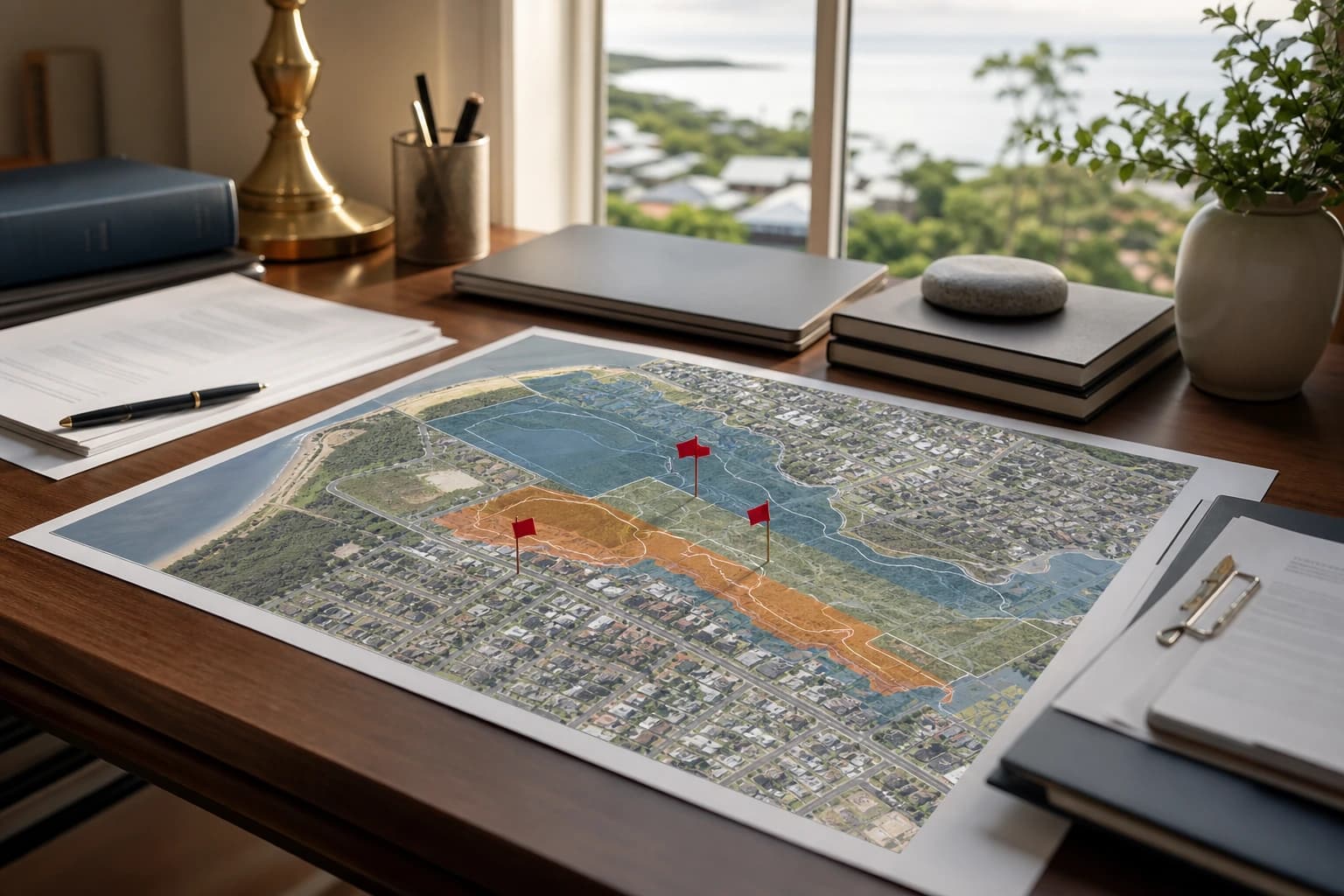
Queensland's seller disclosure regime is now part of day-to-day conveyancing. For contracts entered into on or after 1 August 2025, the Queensland Government says sellers must give buyers a completed Form 2 Seller Disclosure Statement and any applicable prescribed certificates before the buyer signs.
For firms, the new process is helpful. It standardises the pack, gives junior staff a clearer precedent to follow, and creates a common checklist for vendor instructions. It also gives buyer-side practitioners a predictable starting point when reviewing a Queensland residential or commercial contract.
The risk is treating Form 2 as the end of the pre-contract enquiry. The official Form 2 warning is explicit: several matters that often drive buyer concern are outside the statement and require the buyer to make their own searches, inspections and enquiries.
What Form 2 changes in the file workflow
The QLD Property Law Act 2023 seller disclosure scheme shifts disclosure earlier in the transaction. Seller-side teams need a process for identifying the correct lot, preparing Form 2, attaching applicable prescribed certificates, and checking whether notices under legislation such as the Environmental Protection Act 1994, Planning Act 2016 or Building Act 1995 are relevant.
Buyer-side teams then need to separate two questions:
- Has the seller provided the required Form 2 and prescribed certificates before signing?
- What risks remain outside the seller disclosure statement and should be investigated before the buyer commits?
The Queensland Government guide notes that buyers may have a termination right before settlement in some circumstances, including where the statement or prescribed certificates were not given as required, or where there is a material inaccuracy or omission. That remedy should be considered against the Act, the contract, the facts and any other legislation that may apply. It should not be used as a substitute for front-end due diligence.
The environmental and land-use matters Form 2 does not answer
Form 2 gives a direct warning that the statement does not include information about flooding or other natural hazard history. For conveyancers advising a purchaser, that means flood risk Queensland conveyancing enquiries still need their own place in the contract-review workflow. Depending on the property and retainer, that may include council flood information, state or local hazard mapping, insurance availability questions, strata records and specialist flood advice.
The same warning says Form 2 does not include structural soundness or pest infestation. Those are building and pest inspection issues, rather than environmental searches, but they often sit beside hazard advice in a buyer letter. If a property has visible drainage, damp, slope or retaining-wall concerns, the legal team may need to recommend inspection or engineering input rather than trying to resolve the issue from disclosure documents alone.
Current and historical use is another important gap. A prescribed certificate or notice may disclose a recorded environmental or planning matter, but Form 2 is not a full site-history report. A former service station, dry cleaner, workshop, nursery, landfill-adjacent site or rural property with chemical storage history can raise questions even where a standard disclosure pack appears orderly. For higher-risk matters, the next step may be an Environmental Management Register or Contaminated Land Register search, council enquiry, preliminary site investigation or specialist environmental advice.
Form 2 also warns that it does not include current or past building and development approvals, limits imposed by planning laws, services connection, or asbestos. Each of those can affect the advice before a buyer signs. A client intending to renovate, subdivide, intensify use or obtain finance may need more than a title search and disclosure statement. Planning constraints, infrastructure availability, asbestos risk and approval history should be matched to the client's intended use, not left as generic post-signing matters.
A practical buyer-side checklist before signing
For Queensland seller disclosure environmental searches, a useful review note can be short and disciplined:
- confirm the Form 2 and prescribed certificates were received before signing;
- identify any disclosed notices, orders, encumbrances or body corporate material requiring follow-up;
- check whether flood, bushfire, coastal, landslip or other natural hazard information is relevant to the property;
- ask whether the client's intended use depends on planning controls, development approvals, access, services or future works;
- screen for contamination indicators, including current and former land use, nearby regulated sites and register-search prompts;
- consider heritage and cultural heritage prompts where land disturbance, redevelopment or rural/fringe land is involved;
- document which searches, enquiries or expert reports were recommended, ordered or declined.
This keeps the legal advice focused. The practitioner is not asked to become an environmental consultant. The task is to identify where the disclosure pack is silent, explain the limits, and help the client decide whether further information is needed before signing or before going unconditional.
How Enviro-D fits beside Form 2
Enviro-D is designed for the early screening stage. It can sit beside the Form 2 pack and help a conveyancer or property lawyer triage parcel-level environmental indicators before advice is finalised.
For a Queensland matter, that may mean reviewing overlays and prompts for flood, bushfire, contamination, planning, heritage and cultural heritage context. The output can help the file handler decide whether to order an official search, request council information, brief a planner or environmental consultant, raise an insurer question, or include a clear client warning in the advice letter.
Enviro-D does not replace the statutory Form 2, prescribed certificates, legal advice, council searches or specialist reports. It does not certify that land is free of contamination, flood exposure or other constraints. Its role is narrower and practical: screen available datasets, flag issues that may deserve follow-up, and help practitioners document a defensible due-diligence pathway.
Sources and further reading
- Queensland Government, Seller disclosure scheme
- Queensland Government, Guide to the Seller Disclosure Scheme
- Queensland Government, Form 2 Seller Disclosure Statement
- Queensland Law Society Proctor, FAQs for seller disclosure forms
If your firm is bedding in Queensland seller disclosure Form 2 workflows, Enviro-D can provide an early environmental risk screen before the client signs. Use it to flag the next enquiry, not to replace the searches, certificates or advice that the matter requires.